
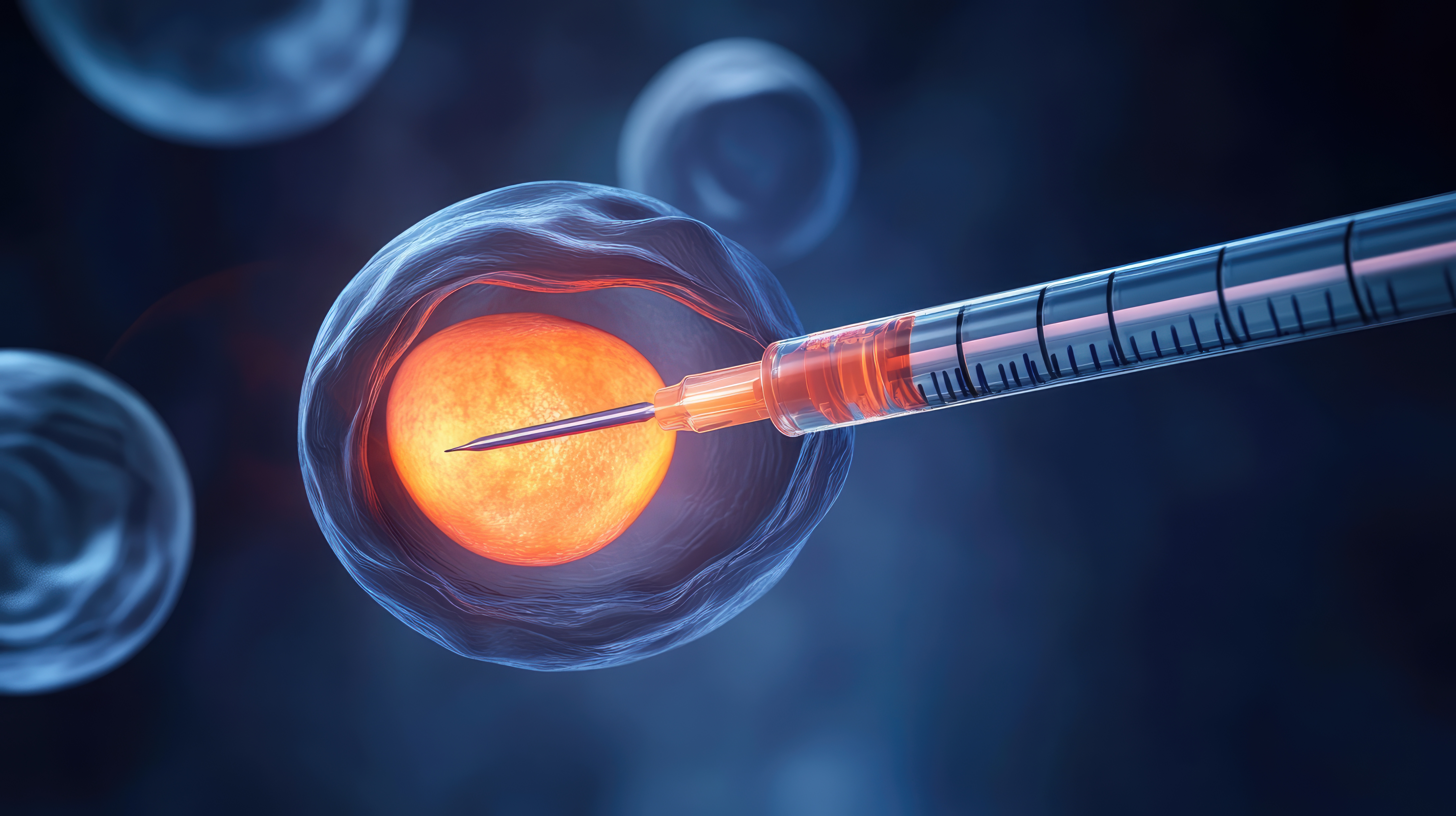
What is ICSI?
ICSI stands for Intracytoplasmic Sperm Injection. It is a type of fertility treatment. In this process, a single sperm is injected directly into an egg. Many couples choose ICSI when other fertility treatments do not work. ICSI is often used with in vitro fertilization (IVF). Because it helps with male infertility, ICSI is a popular choice. The ICSI procedure can increase the chance of pregnancy for some couples. Many people search for ICSI success rates to understand their chances.
Who Needs ICSI?
Not everyone needs ICSI. However, some couples may benefit more than others. For example, ICSI is often recommended if:
Sometimes, ICSI is also used if eggs have a thick outer layer. In these cases, regular IVF may not work well. Couples who want to use ICSI treatment in their city should talk to a fertility clinic.
How is the ICSI Procedure Performed?
The ICSI procedure is simple for the patient. First, eggs are collected from the woman. At the same time, sperm is collected from the man. Next, a lab specialist selects a healthy sperm. Then, using a fine needle, the sperm is injected into the center of the egg. After that, the fertilized egg is watched for signs of growth. If the embryo grows well, it is placed in the woman’s uterus. Finally, a pregnancy test is done after two weeks. Throughout the ICSI process, doctors and nurses provide support.
Benefits of ICSI
ICSI offers several benefits. For many couples, it increases the chance of pregnancy. Some key benefits include:
Because of these benefits, ICSI fertility treatment is chosen by many couples worldwide.
Risks and Possible Complications
Like all medical procedures, ICSI has some risks. However, most risks are rare. It is important to know these before starting treatment. Possible risks include:
According to the CDC and WHO, ICSI is generally safe. Still, you should discuss all risks with your doctor before starting the ICSI procedure.
ICSI Success Rates
Many couples want to know about ICSI success rates. Success depends on several factors. For example, the woman’s age, egg quality, and sperm health all matter. On average, ICSI success rates are similar to regular IVF. According to the CDC, the live birth rate per ICSI cycle is about 30% to 40% for women under 35. As age increases, success rates may decrease. However, using ICSI can help couples with severe male infertility achieve pregnancy. Clinics may share their own ICSI success rates for your city or country. Always ask your clinic for details.
Frequently Asked Questions about ICSI
Conclusion and Next Steps
In summary, ICSI is a helpful fertility treatment for many couples. It can increase the chance of pregnancy, especially when male infertility is a concern. However, it is important to understand the risks and success rates. Because every couple is different, results may vary. Thinking about ICSI? Speak with Dr. Swapnil Dhakne for expert advice tailored to your specific needs and circumstances.